Onam is a traditional Hindu harvest festival celebrated in the Indian state of Kerala. It is a significant festival for the Malayali people, marking the homecoming of King Mahabali, a legendary ruler who was known for his kindness and generosity.
Onam is celebrated over 10 days, typically in August or September, and is characterized by various festivities, including:
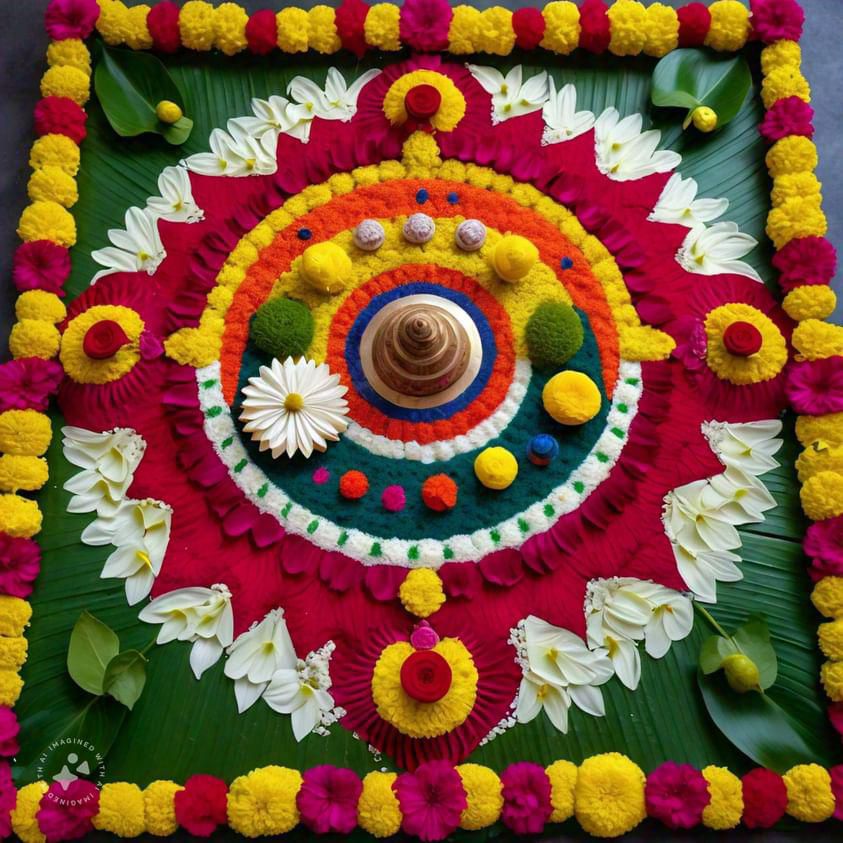
- Flower arrangements (Pookkalam)
- Traditional dances (Thiruvathirakali, Pulikali)
- Music and singing
- Traditional cuisine (Sadya)
- Boat races (Vallamkali)
- New clothes and gifts
Onam is a time for family reunions, feasting, and merriment, and is a celebration of the harvest season and the rich cultural heritage of Kerala.

Here’s more information about Onam:
Onam Games:
- Vallamkali (Boat Race): A traditional boat race held on the Pamba River, where teams compete in intricately designed boats.
- Ambeyyal (Archery): A traditional archery competition.
- Kutukutu: A game played with a ball made of rice paste.
- Talappanthukali (Ball Game): A traditional ball game played with a ball made of dried palm leaves.
- Kayyankali (Sword Fight): A mock sword fight performed by trained artists.
Onam Food (Sadya):
Onam Sadya is a traditional multi-course meal served on a banana leaf. Some popular dishes include:
- Ada Pradhaman (Sweet Payasam)
- Parippu (Lentil Soup)
- Sambar
- Avial (Mixed Vegetable Dish)
- Thoran (Vegetable Stir-Fry)
- Inchi Pachadi (Pineapple-Mango Chutney)
- Pachadi (Yogurt-Based Side Dish)
- Payasam (Sweet Dessert)
Onam Dress Code:
Traditional attire for Onam includes:
For Men:
- Mundu (White Dhoti)
- Neriyathu (Upper Cloth)
- Angavastram (Shawl)
For Women:
- Kasavu Saree (Golden Border Saree)
- Set Mundu (Two-piece Saree)
- Blouse with traditional designs
Onam Celebrations:
- Pookkalam (Flower Carpet): Intricate designs made with flowers.
- Thiruvathirakali (Dance): Traditional dance performed by women.
- Pulikali (Tiger Dance): Colorful tiger costumes and performances.
- Elephant Processions
- Music and Singing
- Traditional Arts and Crafts
- Family Reunions and Feasting
Other Onam Traditions:
- Mahabali’s Visit: People believe King Mahabali visits Kerala during Onam.
- Cleaning and Decorating Homes
- Gifting and Exchanging Gifts
- Onam Kodi (Buying New Clothes)
- Onasadya (Special Meal)
Onam Dates:
Onam typically falls in August or September, with the main celebration day (Thiruvonam) usually on the 25th or 26th of the Malayalam month of Chingam.
Onam Pookkalam!
Pookkalam, also known as Athapoo, is a traditional flower carpet made during Onam celebrations in Kerala. It’s a beautiful and intricate design made with fresh flowers, usually at the entrance of homes, temples, and public spaces.
Types of Flowers Used:
- Thulasi (Holy Basil)
- Marigold
- Chethi (Yellow Flower)
- Chemparathi (Hibiscus)
- Mukkutti (Jasmine)
- Kanakambaram (Crossandra)
Designs and Patterns:
- Geometric patterns
- Floral motifs
- Animal designs (e.g., elephants, peacocks)
- Traditional Kerala symbols (e.g., conch shell, lamp)
- Rangoli-inspired designs
Significance:
- Welcoming King Mahabali’s spirit
- Symbolizing prosperity and good fortune
- Adding color and beauty to the celebrations
- Displaying creativity and skill
Tips for Making Pookkalam:
- Choose fresh flowers
- Select a design or pattern
- Use natural colors and dyes
- Create a border with leaves or petals
- Add decorative elements (e.g., coconut shells, rice flour)
Interesting Facts:
- Pookkalam competitions are held during Onam
- Some designs can take hours or even days to complete
- Pookkalam is a team effort, often involving family and friends
 Histopedia
Leave a comment